
The Most Common Septic Problems Homeowners Face
Homeowners facing common septic problems often need septic replacement or repair, which local service providers can handle to restore proper system function and prevent further issues.
Homeowners in the area who rely on septic systems often encounter common issues that can disrupt daily routines and lead to costly repairs if not addressed promptly. Understanding these typical septic problems can help property owners recognize early signs of trouble, such as backups, foul odors, or slow drains, and take proactive steps to maintain their systems. Exploring solutions for these issues is especially relevant for those considering septic replacement or repair, as timely intervention by experienced local contractors can prevent more extensive damage and ensure the system functions properly for years to come.
This information is especially useful for property owners who want to keep their septic systems operating efficiently and avoid unexpected breakdowns. Local service providers offer expertise in diagnosing and resolving the most common septic problems, whether it’s repairing a failing drain field or replacing an aging tank. Keeping informed about these issues can help homeowners make informed decisions and connect with trusted professionals who can handle the necessary repairs or replacements when needed.
- Septic tank replacement - homeowners experiencing persistent backups or tank failure may need a full replacement, which local contractors can handle efficiently.
- Septic tank repair - when issues like leaks or clogs occur, local service providers can diagnose and repair septic tanks to restore proper function.
- Drain field repair or replacement - if wastewater is surfacing or drains slow down, local pros can assess and repair or replace the drain field.
- Septic tank pumping and maintenance - regular pumping is essential to prevent common septic problems, and local pros can provide scheduled maintenance services.
- Septic system inspections - routine inspections help identify early signs of failure or damage, allowing local contractors to recommend repairs or replacements before major issues develop.
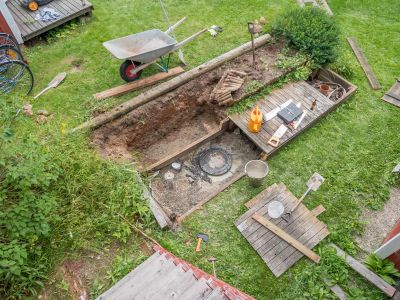
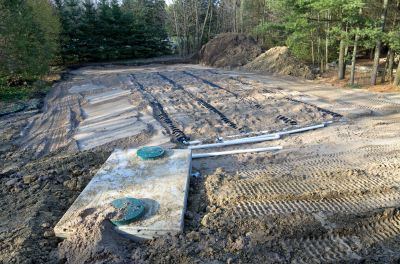
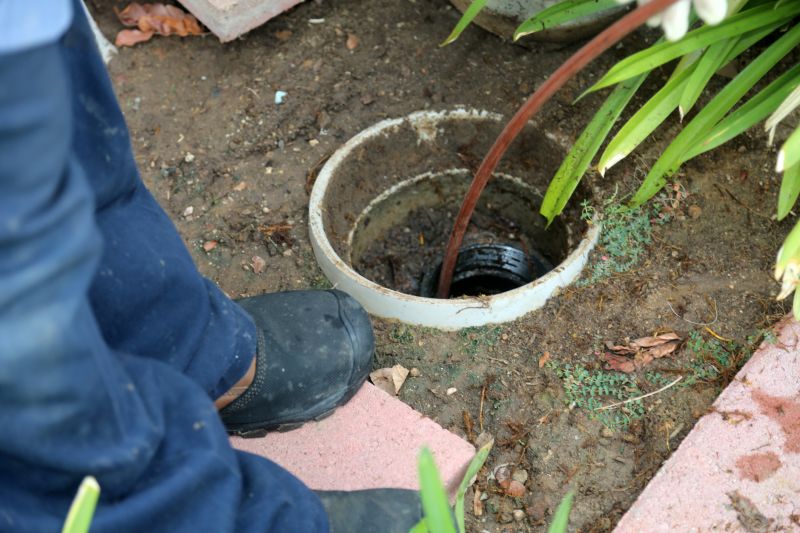
Understanding the most common septic problems homeowners face often begins with recognizing the signs of system failure or inefficiency. Many searchers are concerned about issues like foul odors, slow-draining sinks, or standing water near the septic tank or drain field. These problems typically indicate underlying concerns such as a clogged or damaged tank, a failing drain field, or an overloaded system. Homeowners may also look into potential repairs or replacements when their septic systems no longer function properly, especially if routine maintenance hasn't been performed or if the system is aging. Connecting with local service providers who specialize in septic repair and replacement can help address these issues effectively, ensuring the system operates smoothly and prevents more costly repairs down the line.
The scope of problems associated with septic systems often relates to specific components and how they interact within the property’s layout. Common issues include septic tank backups, which can cause sewage to surface or back up into the home, and drain field failures that lead to water pooling or soil saturation. Blockages caused by debris or tree roots can also disrupt flow, resulting in odors or slow drainage. These problems are frequently linked to plans for system upgrades or repairs, especially in cases where the existing system can’t meet the demands of the household or has deteriorated over time. Local contractors who specialize in septic replacement or repair are equipped to diagnose these problems accurately and recommend appropriate solutions that restore proper function.
Properties that typically encounter septic system problems are often rural or semi-rural homes, but issues can also arise in suburban properties with septic setups. Larger families or homes with high water usage tend to put more strain on septic systems, increasing the likelihood of problems. Older properties with outdated systems are also more prone to failure, especially if they have not been maintained regularly. Additionally, properties with poorly designed or improperly installed septic systems are at higher risk of experiencing issues. Homeowners with these types of properties searching for solutions might consider professional assessments to determine whether repairs or system replacements are necessary. Local service providers can assist with these projects, offering expert guidance to ensure the septic system functions reliably for years to come.
Addressing common septic problems involves understanding how they connect to real project needs and the role of local contractors. Whether it’s repairing a backup, replacing an aging tank, or fixing a failing drain field, these issues directly impact the property’s sanitation and safety. Homeowners often seek out professionals who can handle the scope of repairs or replacements needed to restore proper operation. These local service providers bring the experience to evaluate the system’s condition, recommend suitable solutions, and carry out the necessary work efficiently. By working with knowledgeable contractors, homeowners can resolve septic problems effectively, helping to prevent future issues and maintain the overall health of their property’s wastewater management system.
Drain field installation - installing or repairing drain fields involves similar planning and excavation skills as septic system repairs, making it a related project for addressing septic issues.
Septic tank pumping and maintenance - maintaining septic tanks requires understanding of system components and proper cleaning techniques, which are essential for preventing common septic problems.
Drainage system upgrades - improving or replacing drainage systems involves site assessment and the use of similar tools as septic repairs to ensure proper waste flow and prevent backups.
Leach field replacement - replacing or repairing leach fields shares technical skills with septic system repair, focusing on soil assessment and proper installation methods.
Underground utility locating - identifying underground utilities is often necessary before septic repairs or replacements, requiring similar planning and detection tools.
Soil testing and site assessment - evaluating soil conditions is a key step in septic system repair and drain field installation, involving comparable planning and testing techniques.
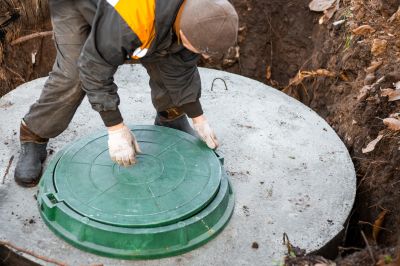
When comparing service providers for septic replacement or repair, it is important to consider their experience with similar projects. Homeowners should inquire about how long a contractor has been working with septic systems and whether they have handled issues comparable to those they are facing. An experienced local contractor will have a deeper understanding of common septic problems and the best solutions, which can help ensure the work is performed efficiently and effectively. This background can also provide confidence that the contractor is familiar with the specific challenges that may arise during repairs or replacements, reducing the likelihood of unexpected issues.
Clear written expectations are another crucial factor when evaluating local service providers. Homeowners should seek detailed estimates and scope of work that outline what will be addressed, the materials to be used, and the steps involved in the repair or replacement process. Having this information in writing helps prevent misunderstandings and ensures both parties are aligned on the project’s scope. It also provides a reference point for assessing whether the contractor’s proposal covers all necessary aspects of fixing common septic problems, from diagnosing issues to completing the repair.
Reputable references and good communication are key indicators of a reliable contractor. Homeowners are encouraged to ask for references from previous clients who experienced similar septic issues. Speaking with past customers can reveal insights into the contractor’s professionalism, quality of work, and ability to complete projects on time. Additionally, service providers who communicate clearly and respond promptly to questions can make the process smoother and more transparent. Effective communication ensures that homeowners stay informed about project progress and any potential concerns, which is especially important when addressing complex septic problems that may require careful coordination and planning.
Property owners often search for the most common septic problems homeowners face when they are planning practical projects around their homes and businesses. Local pros provide Septic Replacement or Repair services for everyday jobs and straightforward project options.
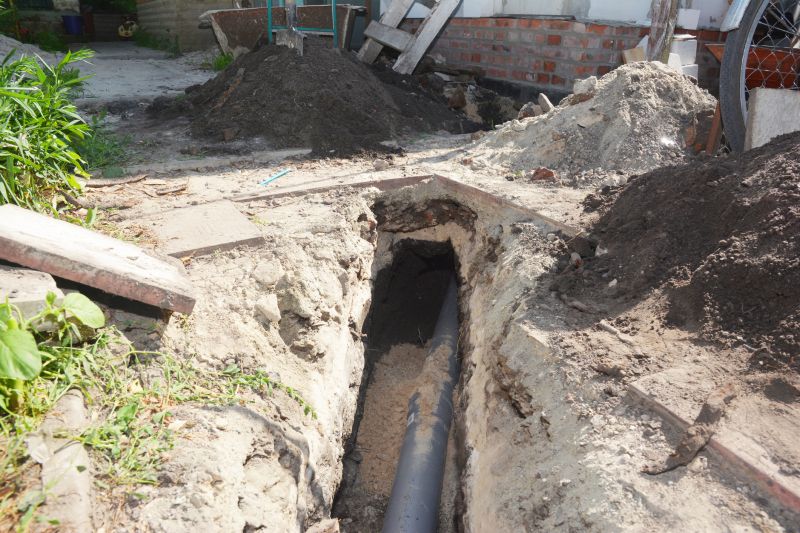
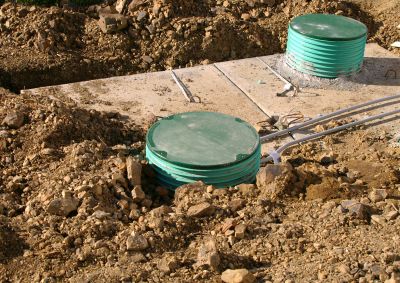
Many homeowners encounter common septic problems that can disrupt daily routines and lead to costly repairs if not addressed promptly. Issues such as slow drains, foul odors, or sewage backups often signal underlying problems with the septic system that may require professional inspection or repair. Property owners in the area might search for information on these issues to better understand when a septic replacement or repair service is needed, especially if signs become persistent or worsen over time.
Understanding the most common septic problems helps homeowners recognize when professional services are necessary. Local contractors who specialize in septic system repair and replacement can assess the situation, diagnose the root causes, and recommend appropriate solutions. Whether dealing with a failing tank, clogged pipes, or other system failures, property owners can find experienced service providers to handle repairs and ensure the septic system functions properly again.
What are common signs of septic system problems? Homeowners often notice unpleasant odors, slow drains, or sewage backups, which can indicate issues needing repair or replacement by local contractors.
Why does my septic tank need repair or replacement? Septic tanks may require repair or replacement due to age, leaks, or system failure, and local service providers can assess and address these problems.
How can clogged or damaged drain fields affect my septic system? Clogged or damaged drain fields can cause backups and system failure, requiring professional repair or replacement services from experienced contractors.
What causes frequent septic system backups? Common causes include excessive water use, solids buildup, or system failure, which can be addressed through repair or replacement by local experts.
When is septic system replacement necessary? Replacement is often needed when repairs are no longer effective or the system is severely damaged, with local contractors providing solutions tailored to the situation.
Understanding septic system failure - Recognizing early signs of failure can help homeowners seek timely repair or replacement services from local contractors.
Addressing drain field issues - Properly diagnosing and fixing drain field problems ensures the septic system functions efficiently and prevents costly repairs.
Managing waste and water usage - Implementing water-saving habits can reduce strain on the septic system, making repairs or replacements more manageable.
Preventing system clogs and backups - Regular inspections and maintenance by local service providers help avoid common blockages that lead to costly repairs.
If you are thinking about the most common septic problems homeowners face for a property, this guide is meant to help you understand this topic, the typical project types, and how different options might fit your plans.
When you are ready, you can use the quote form on this page to share a few details about your project. From there, local pros can review the basics and follow up with options that match what you have in mind.